Governance, Human Rights and Civil Society
Effective governance creates a society where people live with dignity and freedom. Good governance and human rights reinforce each other and are built on four core foundations: participation, accountability, transparency and state responsibility.
An enabling environment is key to everyone’s enjoyment of their human rights. This requires accountable institutions, the rule of law and equal access to justice, reflecting SDG 16 – Peace, Justice and Strong Institutions and the goal of building peaceful, inclusive societies.
Good governance encompasses the mechanisms that keep society functioning, laws, regulations, institutions, political structures and administrative processes. A solid governance system is essential to respect and protect human rights, respond to the population’s needs and empower people, particularly marginalised groups.
Civil society serves as a vital bridge between citizens and governments, actively promoting and safeguarding good governance and human rights. Through advocacy, monitoring and public awareness campaigns, civil society organisations (CSOs) hold governments accountable for their actions and ensure they adhere to human rights principles. They contribute to policy development, support marginalised populations, and facilitate dialogue to prevent and resolve conflicts peacefully.
What we do
- Conduct formulations, appraisals, reviews and evaluations of governance programmes, including public financial governance, democratic governance, decentralisation, civil society and participation mechanisms.
- Carry out organisational and institutional analysis of public bodies, oversight institutions and civil society organisations.
- Develop governance indicators and diagnostic frameworks that help partners track progress on transparency, accountability and service delivery.
- Design results frameworks and support monitoring and evaluation of governance programmes, including in post-conflict and fragile contexts.
- Support institutional capacity development, focusing on strengthening public administration, oversight institutions and civil society so they can perform their roles effectively.
How we work
PEM works across post-conflict/conflict environments and low , middle and high-income developing countries. Our work spans governance, human rights and civil society, and pays close attention to political economy dynamics and local power relations.
Our approach adapts as institutions evolve, drawing on shared knowledge, lessons learned and a keen understanding of changing local contexts. We combine quantitative and qualitative analysis, stakeholder engagement and participatory approaches to generate practical recommendations that can be implemented in real-world governance settings.
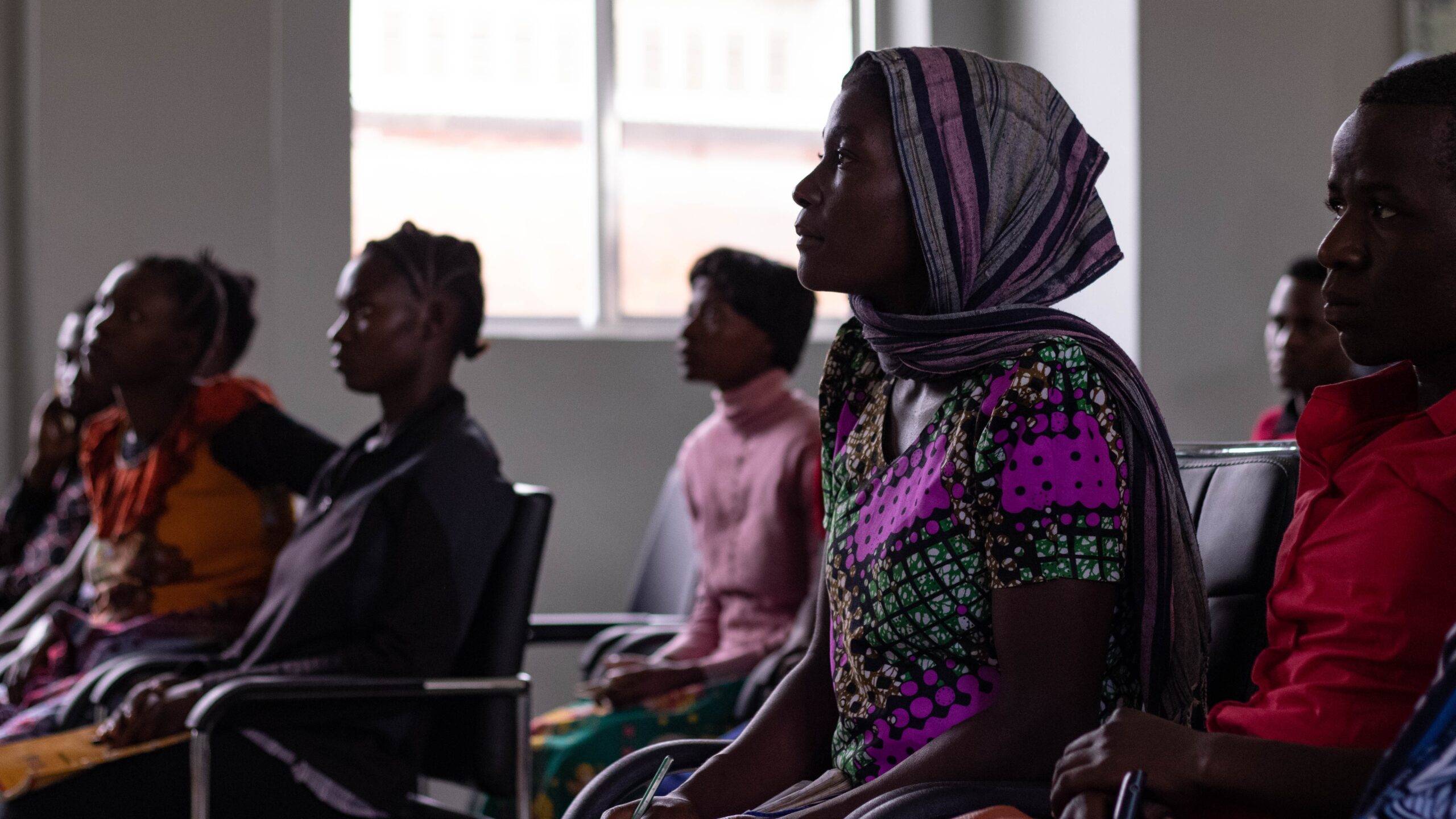
Midterm Review of the programme: Prevention, Resilience & Well-being among Key Populations in Malawi & Uganda
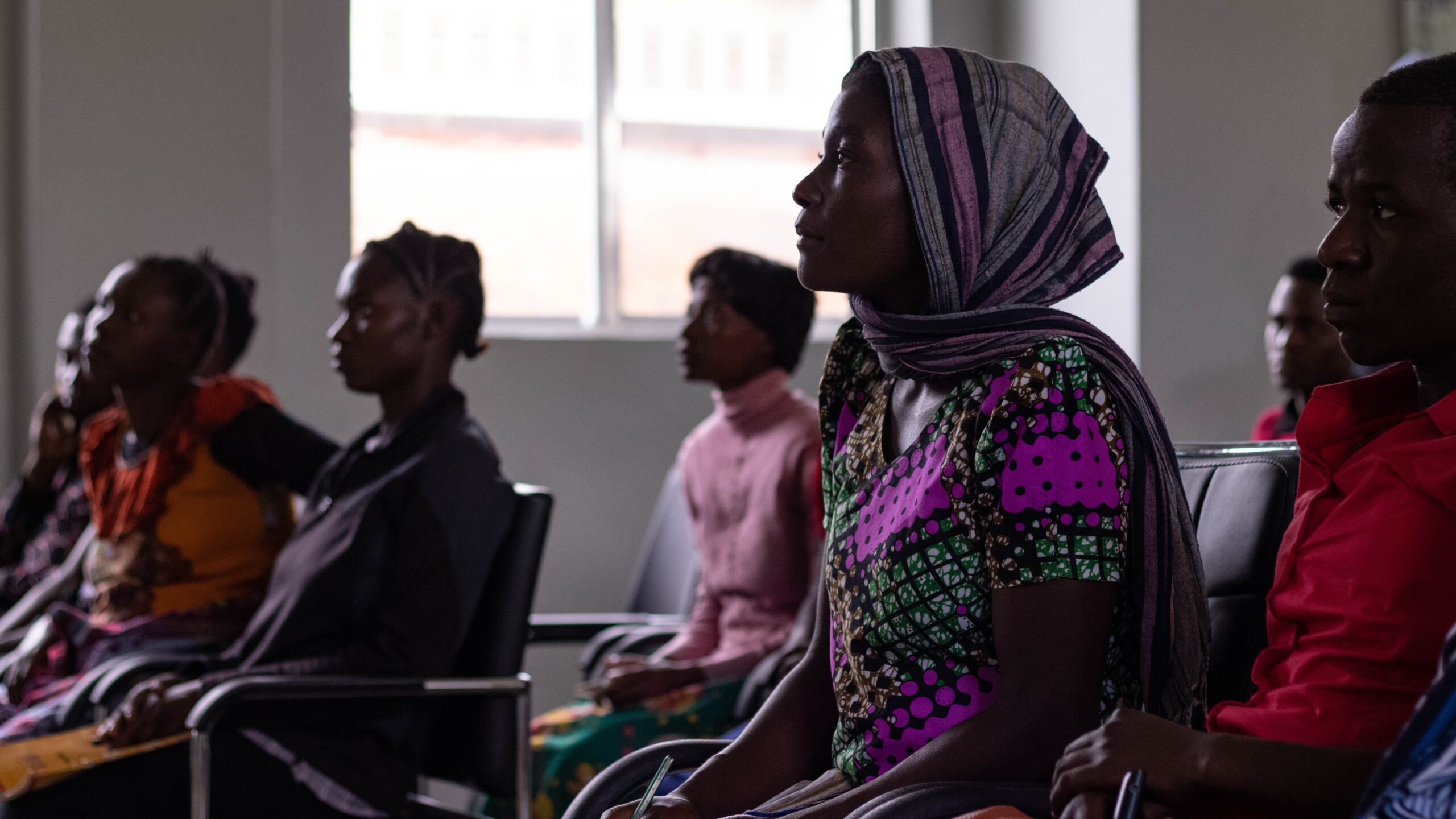
Independent Evaluation of SDC’s Performance in Vocational Skills Development 2017-2023
Digital solutions for sustainable development, Rwanda
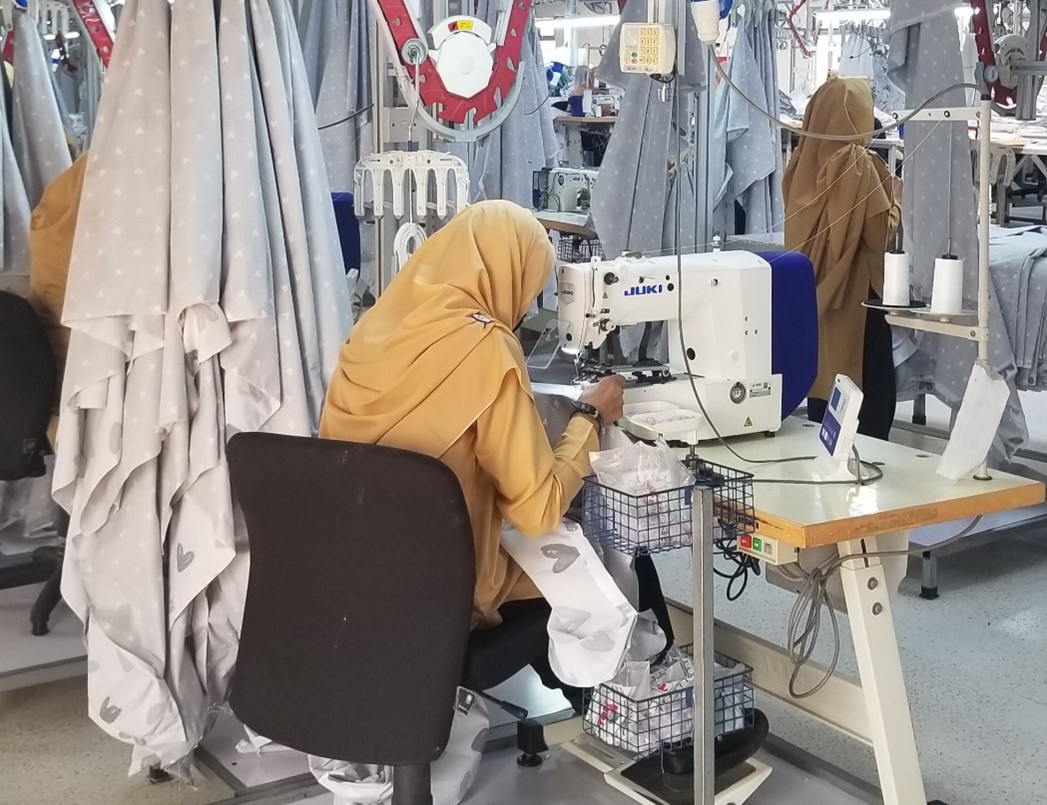
Improvement of labour-, social- and environment standards in the Pakistani textile industry, Pakistan
Project Review of the Consortium Project “CSOs and Policy Dialogue”
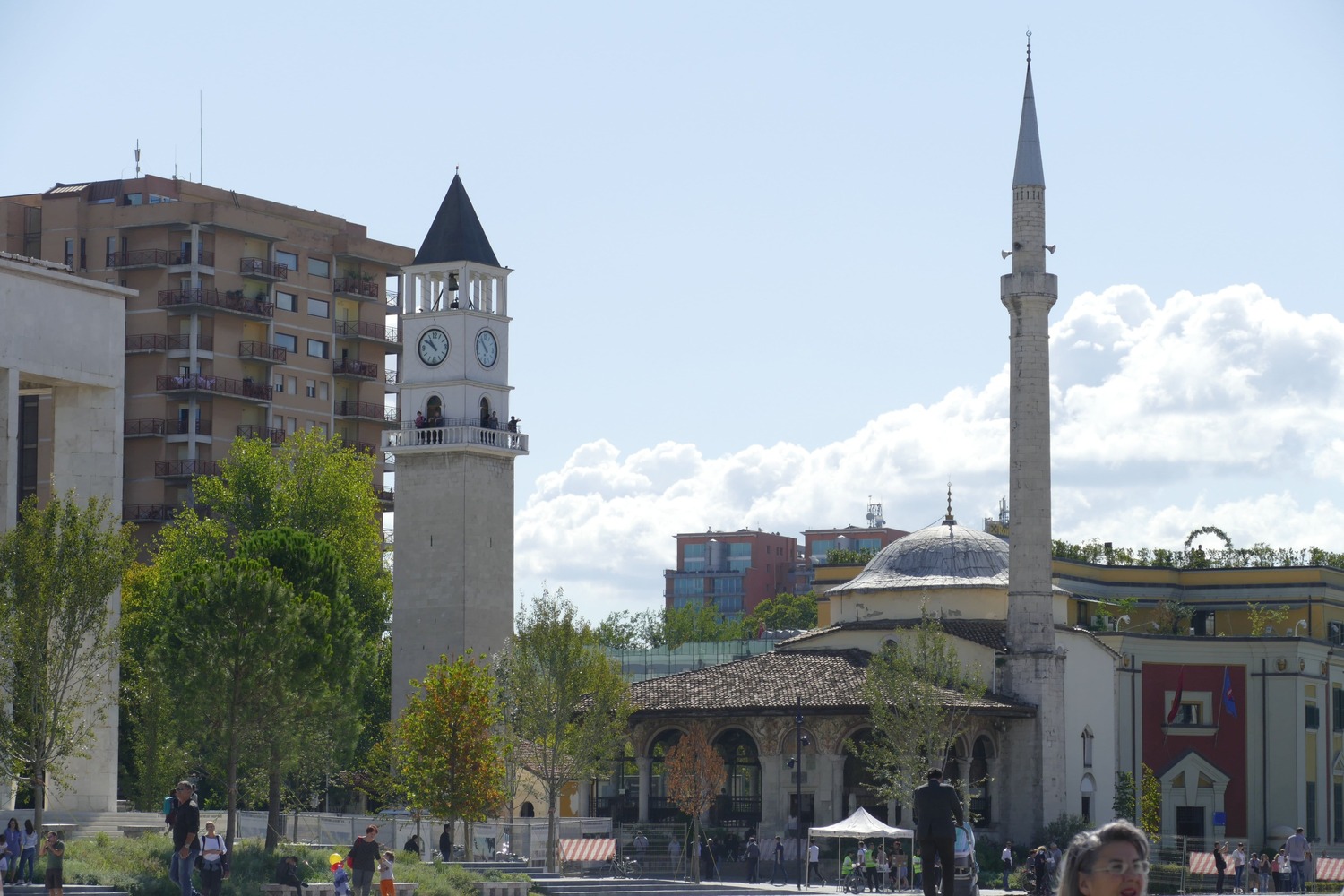
Support to the EU Accession Negotiations in the Economic Sector in Albania II
Evaluation of Sida’s Cooperation Strategy in Colombia
Evaluation of the Environmental Governance Programme Phase 2, 2020-2023