

Last year, PEM turned 30. Since 1995, we have had the privilege of working across a wide range of sectors and contexts, from climate change and natural resource management to agricultural development, livelihoods, private sector development, and governance.
What began as a small group of passionate development consultants has grown into: 1,350 projects, 111 countries, and 162 clients.
Behind these numbers are many years of collaboration and an even greater number of people. None of this would have been possible without our partners, consultants, local experts, office team, and clients. We are grateful to everyone who has contributed with their experience and knowledge to PEM and our work.
As we look ahead, we hope to build on these 30 years of experience and continue contributing to our mission and having a meaningful impact in the years to come.
To mark this milestone, we are sharing reflections from three colleagues, Eric, Ivan and Sikitiko. Their reflections were shared on PEM LinkedIn earlier this year and are now brought together here as part of the PEM Insight Series.
Who better to begin with than Eric Buhl-Nielsen, who has been with PEM since the very start, in 1995 (check the photo – Eric second from the right!). Here’s a glimpse of his journey:
“Over the past 30 years, my journey with PEM has been one of purpose, partnership and learning. Fieldwork reminded us that listening comes before advising. It has been a true privilege to work closely with clients, colleagues and the ultimate beneficiaries and contribute to real change in people’s lives. The most valuable solutions emerged when we engaged closely with different cultures and local realities. The P of PEM is for people and putting that at the centre has been key.
The power of teamwork is one of my key learnings. No one person carries the answer. What I have enjoyed most is working with PEM’s highly dedicated partners and consultants. Across 4 continents and 40 countries from Greenland to Ghana to Georgia to Guatemala what I remember most is the shared commitment, the talent, and the sense of humour. This is what carried us through many challenges and demanding contexts and made the work fun as well as meaningful and inspiring.
It is heartening to see how poverty levels have fallen since the 1990s, and how many countries have transitioned to middle-income status. Yet progress brings new complexities: poverty eradication remains stubbornly unfinished, inequality persists, and climate change presents escalating risks. At the same time, maintaining a rules-based international order grounded in respect for human rights and human dignity has become more challenging.
Development cooperation consultancy has evolved from primarily delivering technical expertise to facilitating partnerships, strengthening institutions, and supporting resilient systems in an increasingly interconnected and uncertain world. If your heart is in it, there is nothing better or more worthwhile.”
Eric Buhl-Nielsen
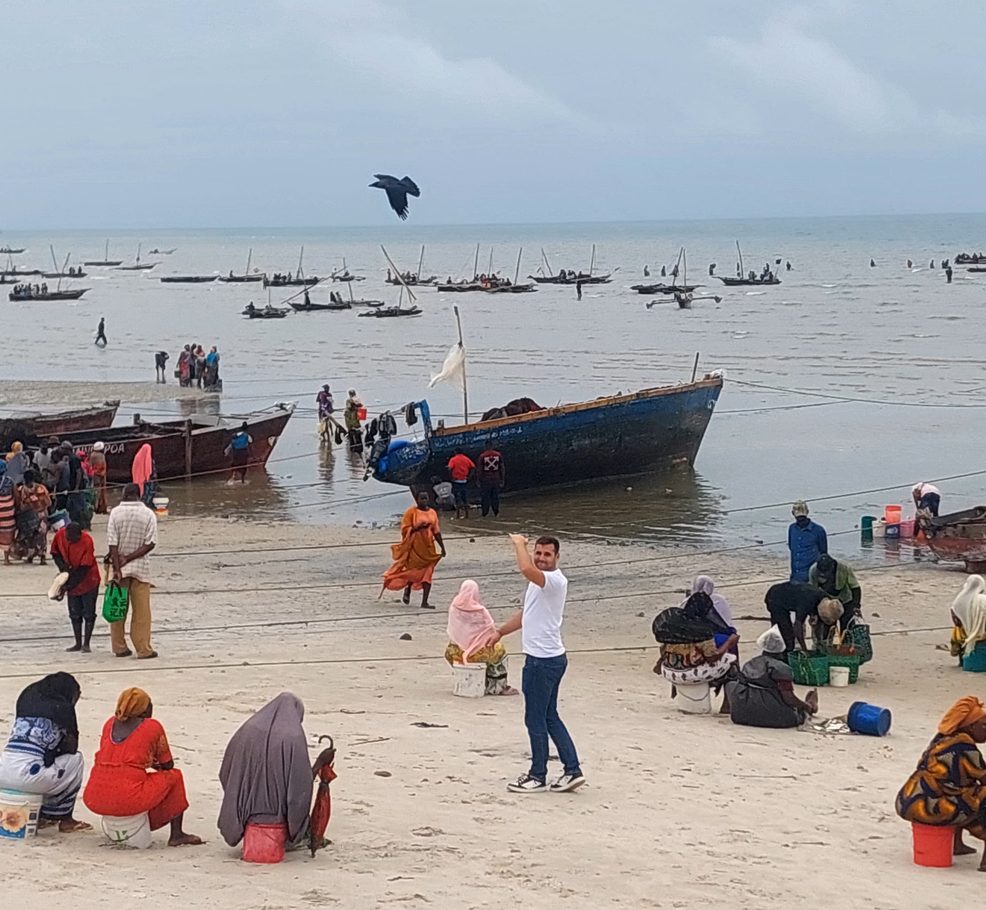
Next, we are highlighting the journey of Ivan Naletilić. He joined PEM seven years ago after completing his MSc in Agricultural Development at the University of Copenhagen. Since then, he has contributed to a wide range of projects across regions and contexts.
Here, Ivan reflects on how his time at PEM has shaped him both professionally and personally:
“In spring 2018, a year before my journey with PEM started, I was in Nepal collecting data for my Master’s thesis. Today, eight years later, I am writing this reflection from Nepal, where I have come to collect data for an ongoing consultancy engagement.
Meanwhile, this job has taken me to 14 countries across Africa, Asia, and Eastern Europe, even to my home country, my hometown (twice), and my school to “interrogate” my biology teacher. Sometimes the question comes up whether I am thinking of changing my job. No, I am not. This journey has been an uphill and rewarding experience – like climbing a mountain, where reaching each peak brings a new panorama, joy, and freshness. Each project feels like a new job, bringing new people, themes, and geographies.
Learning has been at the core of this dynamic profession – I have learned that a critical aspect of development consultancy in a globalised world is how we understand knowledge, i.e., whose knowledge counts, when and where, and how to bridge local and global perspectives. It has also become clear that nothing can replace face-to-face discussions, and that observation is as important as any other method. And these days, we are learning how to position ourselves effectively in the era of AI.
None of this would have been possible without my great colleagues at PEM – who have given me opportunities and space. One of them, Sus, who I learned a lot from and who inspired me in so many ways, is no longer with us – her energy, professionalism, and our memorable trips will always be remembered.”
Ivan Naletilic
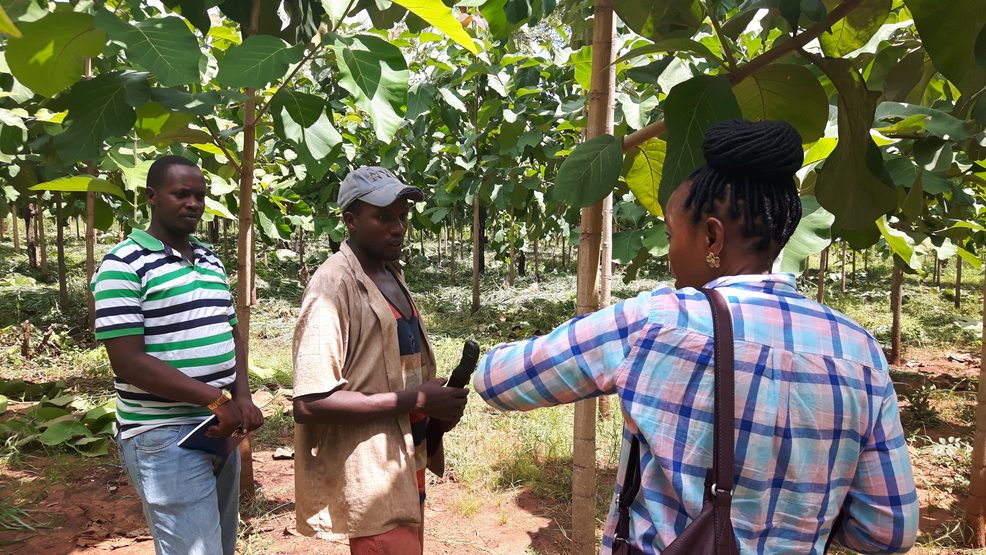
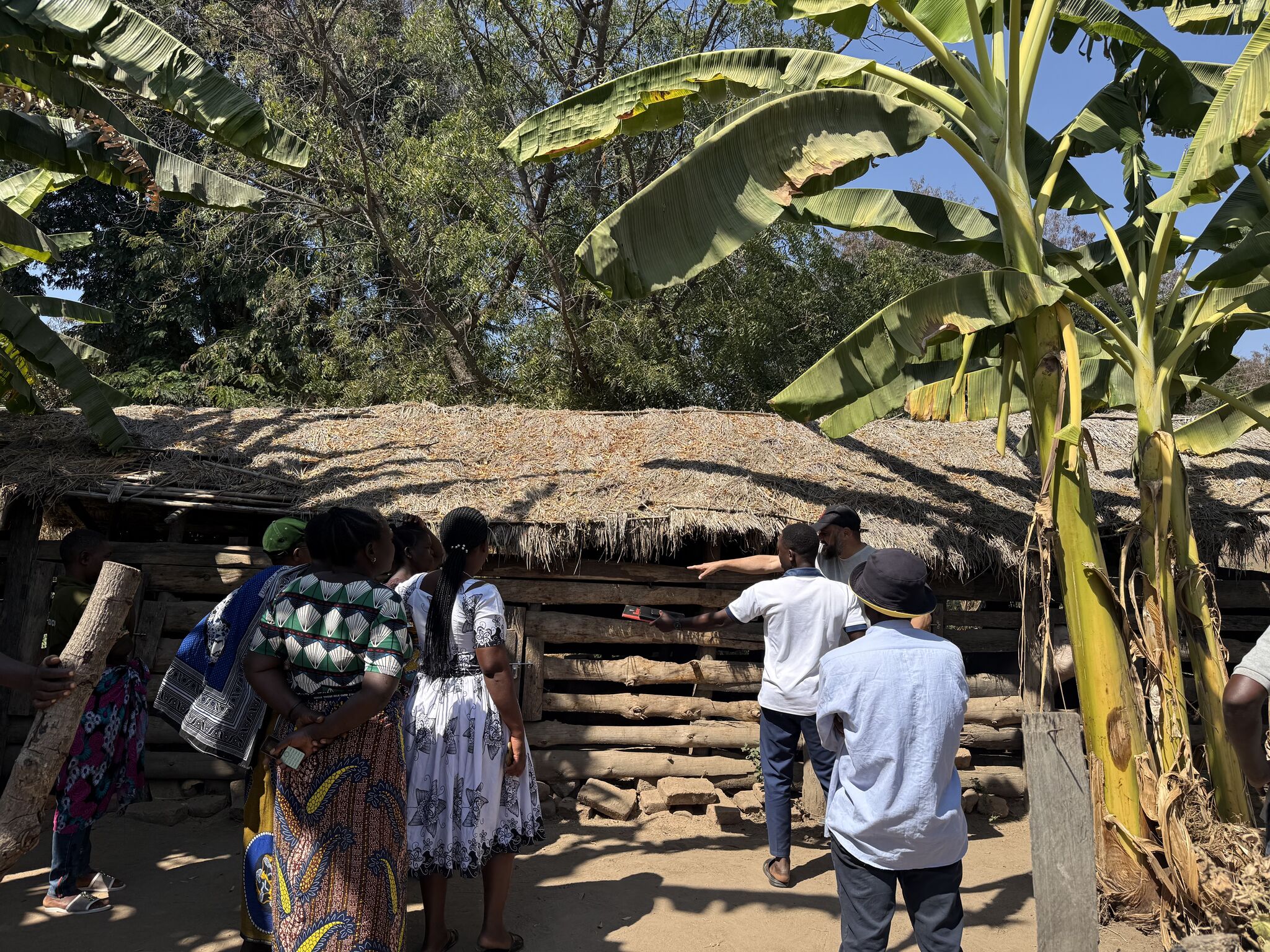
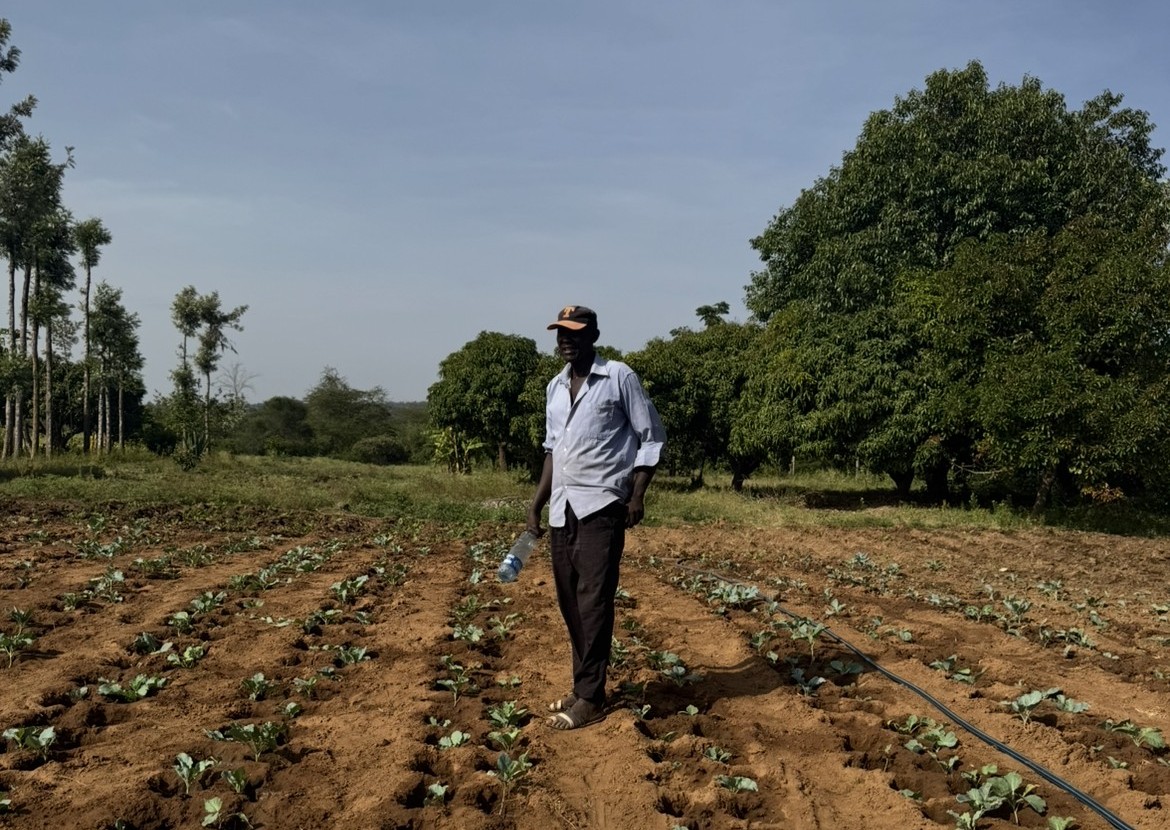
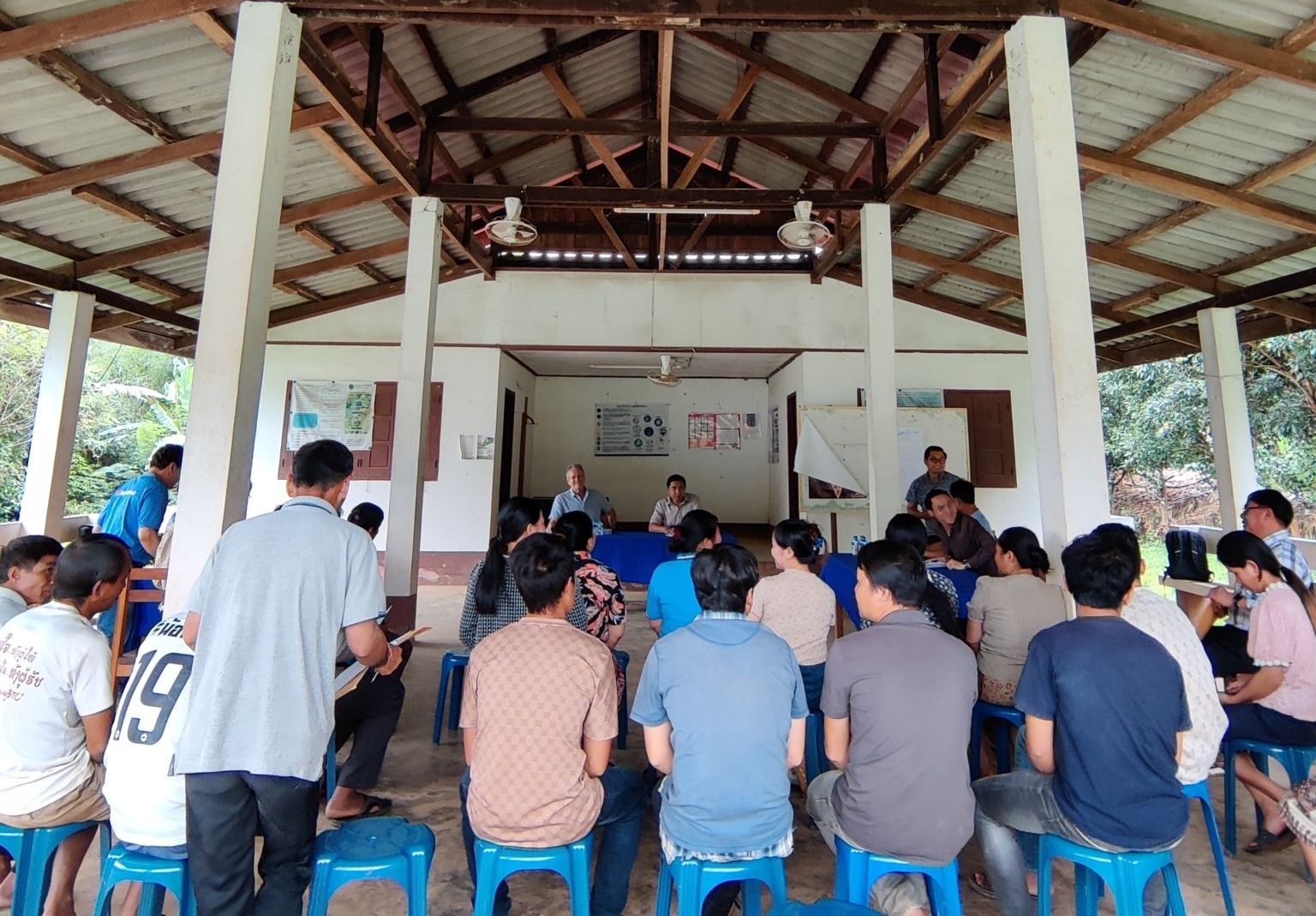
Last but certainly not least, on the Journey of PEM East Africa. One of the milestones over the past 30 years has been the establishment of PEM East Africa in Tanzania in 2002. Our Partner in PEM East Africa, Sikitiko Kapile, reflects on the journey and shares photos from the years of fieldwork in the region:
“The journey of PEM EA has been one of constant transformation. Since our founding in 2002, with some downturn, to become a solid and trusted firm. We are proud of how we have navigated the shifting tides East Africa’s development landscape.
Our technical support has evolved alongside global priorities, now including expertise in the environment and climate change; natural resources management (water, land, forest, wetlands, wildlife areas, marine and coastal); governance and institutional strengthening; gender and human rights; public finance management, and agriculture.
Over the years, we’ve experienced a shift from General Budget Support to Basket Funding, with a sharpened focus on climate change and forestry; governance addressing human rights, press freedom and anti-corruption; resilience through building local governance and blue economy initiatives under Tanzania’s 6th phase government and improved access to water and sanitation services.
We have come a long way. For instance, technology has been in constant change, from dial-up landlines and Paper-and-Pen Interviewing (PAPI) to high-speed fibre optics and real time mobile data collection, virtual collaboration and AI integration.
Despite constant global change, our commitment remains firm: supporting sustainable management of natural resources, building local governance resilience and promoting gender equality.
We are thankful for our partners and longtime clients including the Danish Embassy, World bank and Tanzania Ministry of Water for believing in our work.”
SK